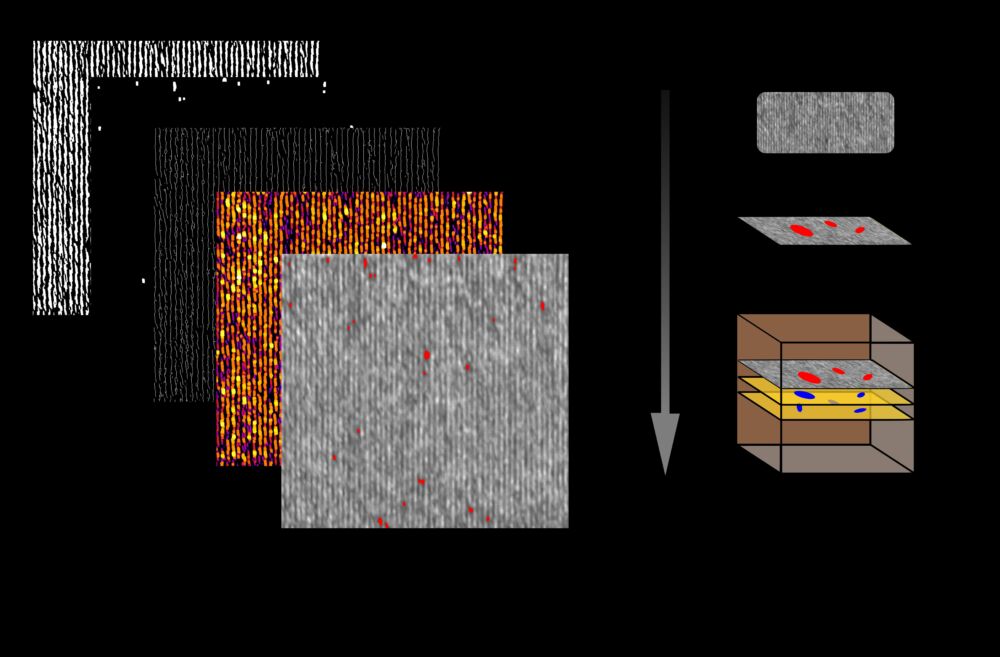

A leading household-name aerospace OEM has highlighted how AMiRIS®, the in-process quality assurance solution from Additive Assurance, is helping its teams move beyond “interesting monitoring” and toward decision-ready evidence that can scale across a complex manufacturing ecosystem.
A spokesperson for the OEM says the strongest early value is AMiRIS’ machine-agnostic approach, which enables a consistent method of collecting and interpreting in-process data across different powder bed fusion platforms and supply chain partners.
“As an aerospace business, we don’t just qualify parts on one machine family,” says a senior engineer at the OEM. “If we’re serious about scaling AM, we need an approach we can apply across our supply chain without rewriting the playbook every time we change platform. The attraction of AMiRIS is that it gives us a common analysis layer, rather than forcing us to live inside each OEM’s proprietary algorithms.”
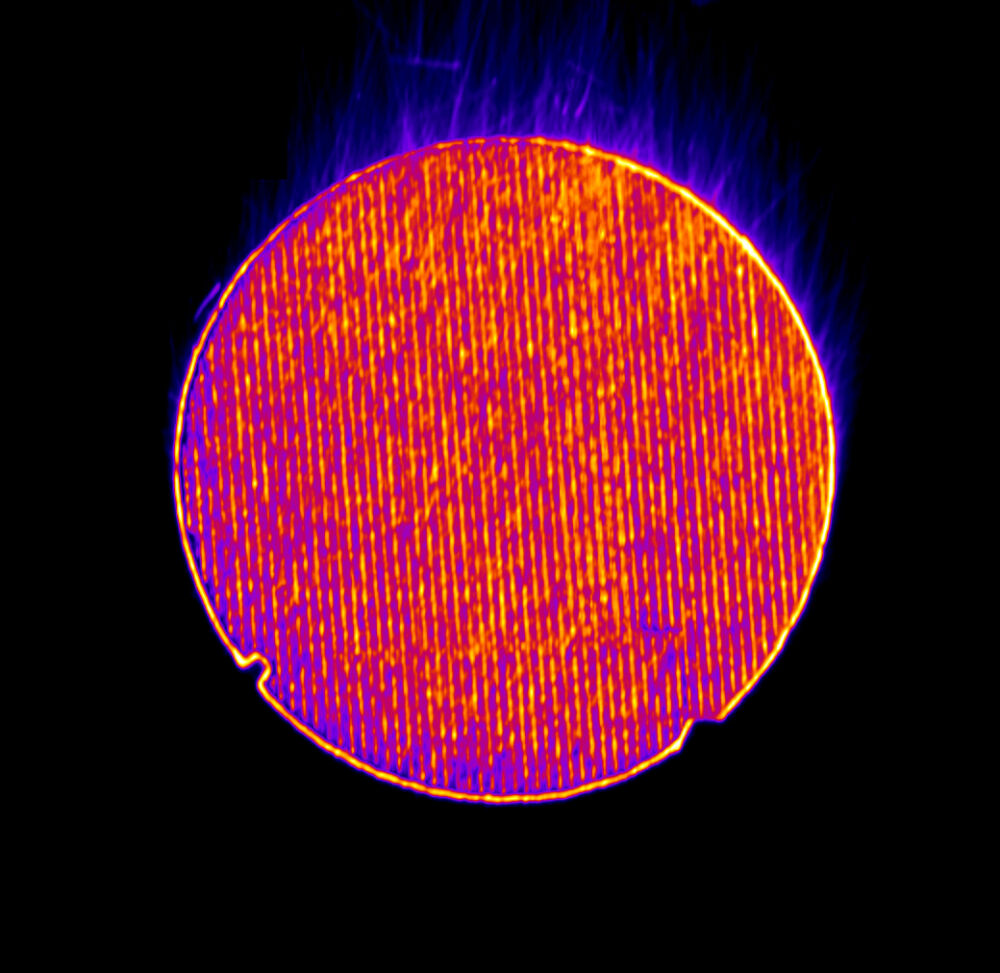
The OEM also emphasised a critical shift in mindset, suggesting in-situ systems should not be sold as “defect detectors”, but as tools that flag process anomalies which may correlate to defects, provided the data is validated against “ground truth” inspection.
“We’re careful with language,” the engineer adds. “In most cases you’re not ‘detecting a defect’ in-situ, you’re detecting a process anomaly that may cause a defect. What matters is correlation, what does the thermal signal say, and what does the CT, cut-up, or other non-destructive evaluation (NDE) say? If you can’t tie those together, you’re not productionising anything.”
Large-format metal AM was also flagged as a major driver. As build volumes increase, conventional inspection can become a bottleneck, especially for complex geometries that are difficult or prohibitively expensive to inspect post-build.
“When parts get big and complex, the inspection question becomes existential,” the engineer says. “CT can cost a fortune, and some geometries simply aren’t inspectable in the way we’d like. In-situ is the only route that looks scalable, if the output is automated, de-noised, and usable.”
Marten Jurg, Managing Director of Additive Assurance, says the company’s focus is to close the gap between academic monitoring and industrial assurance. “Aerospace teams don’t need more plots. They need evidence that can be trusted, reviewed, and retained, without turning every build into an investigation. AMiRIS is built to support that journey — automated analytics, reporting that fits real workflows, and deployment options that work in controlled environments.”
The OEM is continuing its evaluation programme with a view to broader deployment as confidence and validation evidence accumulates.
As more aerospace and defence programmes push metal AM from “capable” into “repeatable,” the question becomes less about monitoring and more about proof, evidence that can be reviewed, retained, and defended. OEMs evaluating in-process QA are encouraged to reach out to Additive Assurance to see how AMiRIS can be applied across platforms and sites, and to review deployment options for controlled environments, including large-format builds.


Leave a Reply
You must be logged in to post a comment.