

(22nd October 2025, Muellheim, Germany) As global regulatory scrutiny tightens around the design, validation, and traceability of medical devices, manufacturers are under increased pressure to deliver uncompromising precision, repeatability, and process control. The answer for many? A strategic shift toward advanced precision metal fabrication methods, chief among them, photo-chemical etching (PCE).
Medical OEMs are recognising that precision isn’t just a performance issue, it’s a regulatory one. Every micron matters when it comes to devices like diagnostic cartridges, minimally invasive surgical tools, microfluidic filters, and drug delivery systems. Repeatable, burr-free metal components produced via PCE are increasingly being specified not only for their technical merits, but for their compliance advantages too.
“Medical device designers are being forced to rethink how they approach manufacturability under ever-evolving ISO and FDA constraints,” explains Jochen Kern, Head of Sales & Marketing at the Micro Component Group. “PCE enables highly controlled geometries at scale, without introducing mechanical or thermal stress, making it an inherently ‘regulation-friendly’ process. That’s why the sharpest minds in medical innovation are turning to it.”
What sets PCE apart is its unique ability to simultaneously meet functional, aesthetic, and compliance requirements, without compromise. The process uses digital tooling to etch ultra-precise geometries directly into metal sheets. Unlike laser or stamping methods, it does not deform the metal or introduce burrs, issues that can lead to validation failures or post-processing headaches.
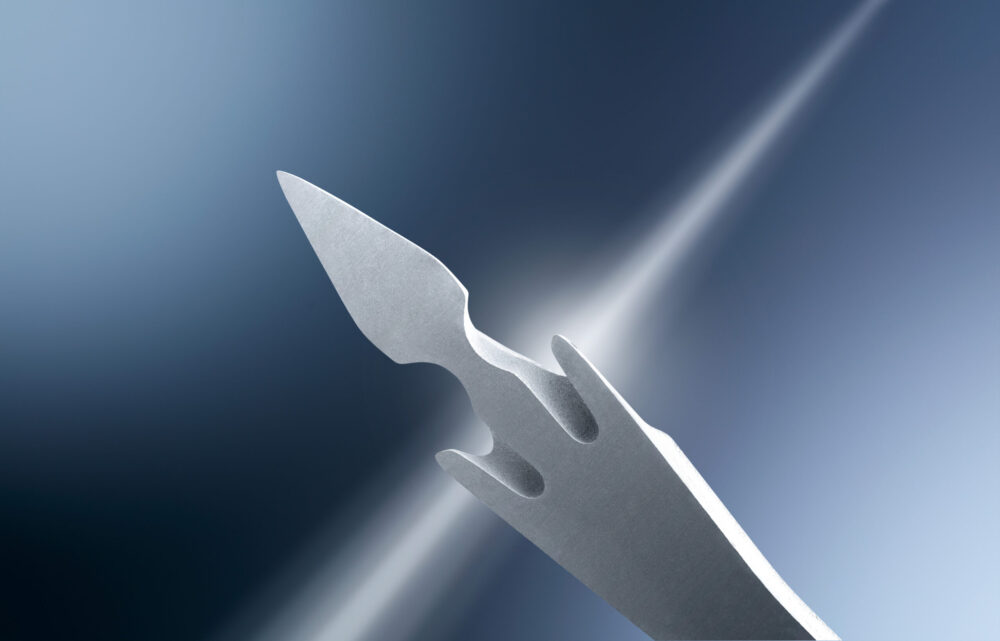
Furthermore, the Micro Component Group’s proprietary etching technologies extend this capability beyond industry norms. Features such as ultra-sharp needle points, micro-perforations, and stress-free high-density apertures are produced at tolerances that consistently satisfy the most demanding QA protocols. Importantly, PCE’s digital tooling means design iterations are cost-effective and rapid, enabling faster compliance testing and faster routes to commercialisation.
“There’s a misconception that achieving compliance means slowing down innovation,” adds Kern. “We believe the opposite is true, when you use the right processes. PCE is not just a precision manufacturing method, it’s a platform that unlocks new design freedoms while naturally aligning with regulatory frameworks.”
For manufacturers navigating the complexities of ISO 13485, FDA 21 CFR, and other quality-driven frameworks, precision metal fabrication via PCE represents a growing opportunity, not just to comply, but to innovate with confidence.
To explore how PCE from the Micro Component Group can support your regulatory strategy and design ambitions, contact the company’s team of experts today.