
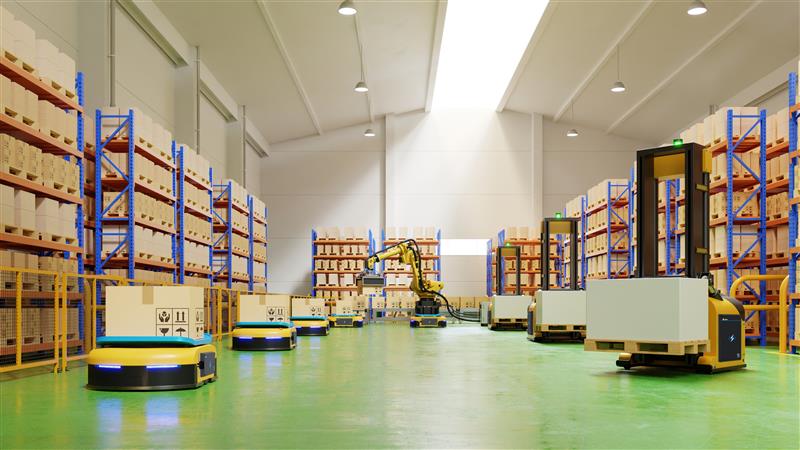
By enabling industrial vehicles to maintain continuous operation, even in the harshest conditions, Delta is setting a new benchmark for reliability and performance in AGV charging systems. Here Jonas Enderlin, system architect for inductive charging systems at Delta, describes why MOOVair with PPL is a technology set to define the future.
The benefits of wireless charging
Wireless charging eliminates the need for manual human intervention to connect AGVs to chargers or swap battery packs. By removing physical contacts that can wear out or collect dust, oil, or dirt, this technology enhances reliability in industrial settings. It also minimizes maintenance, repairs and downtime, ensuring smoother and more efficient operations.
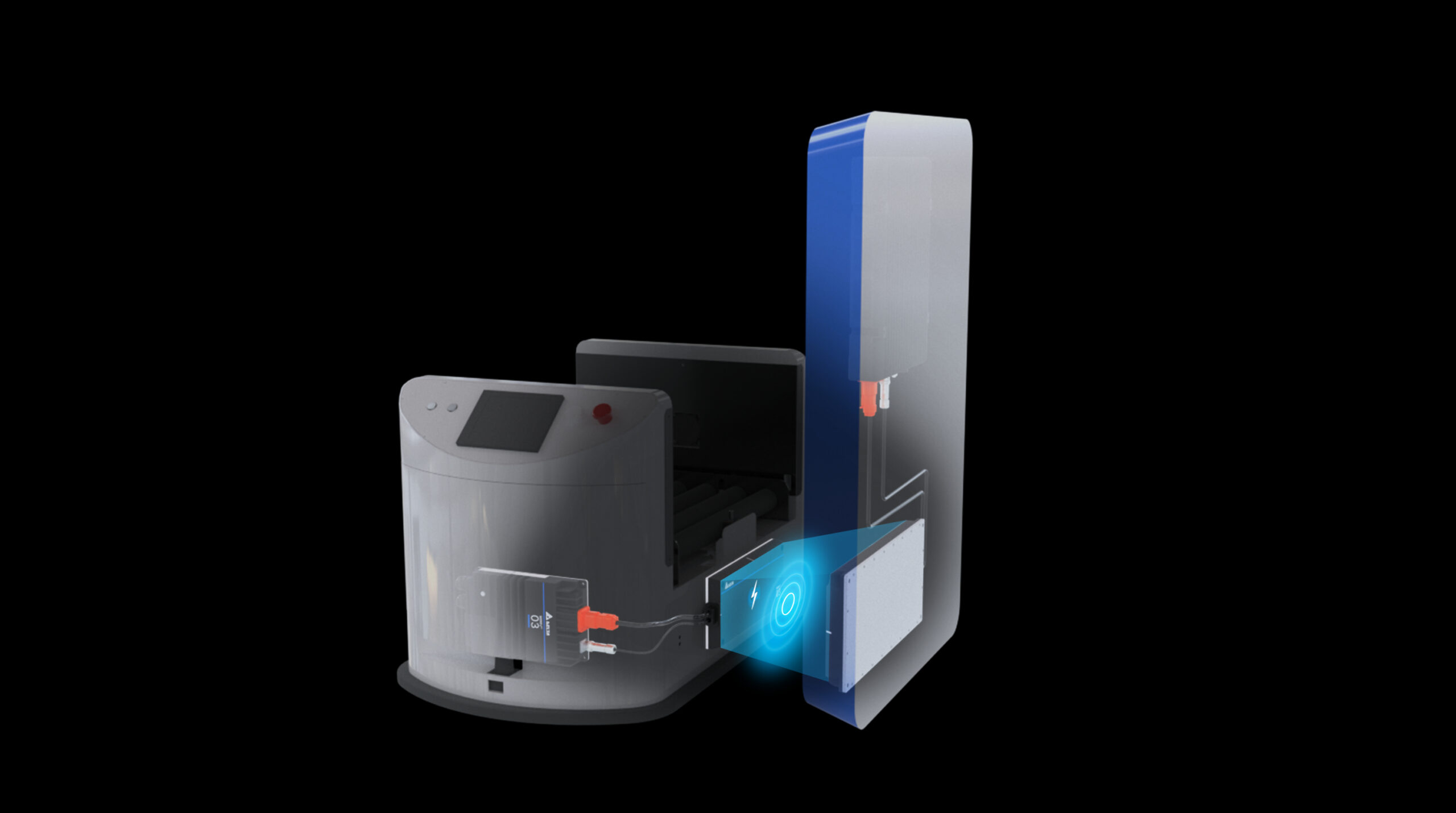
What’s more, wireless charging systems are compact and can be easily integrated into existing environments. A single charging unit can charge multiple vehicles, even if those vehicles operate with different battery voltages.
Next-level wireless charging systems
As wireless charging transforms AGV operations, ensuring seamless communication between the grid side and the vehicle side is critical to maximizing efficiency and reliability.
While technologies such as Bluetooth, Wi-Fi and infrared have traditionally been used to close the control loop in inductive power transfer systems, these face inherent challenges in the complex, high-demand environments where AGVs usually operate.
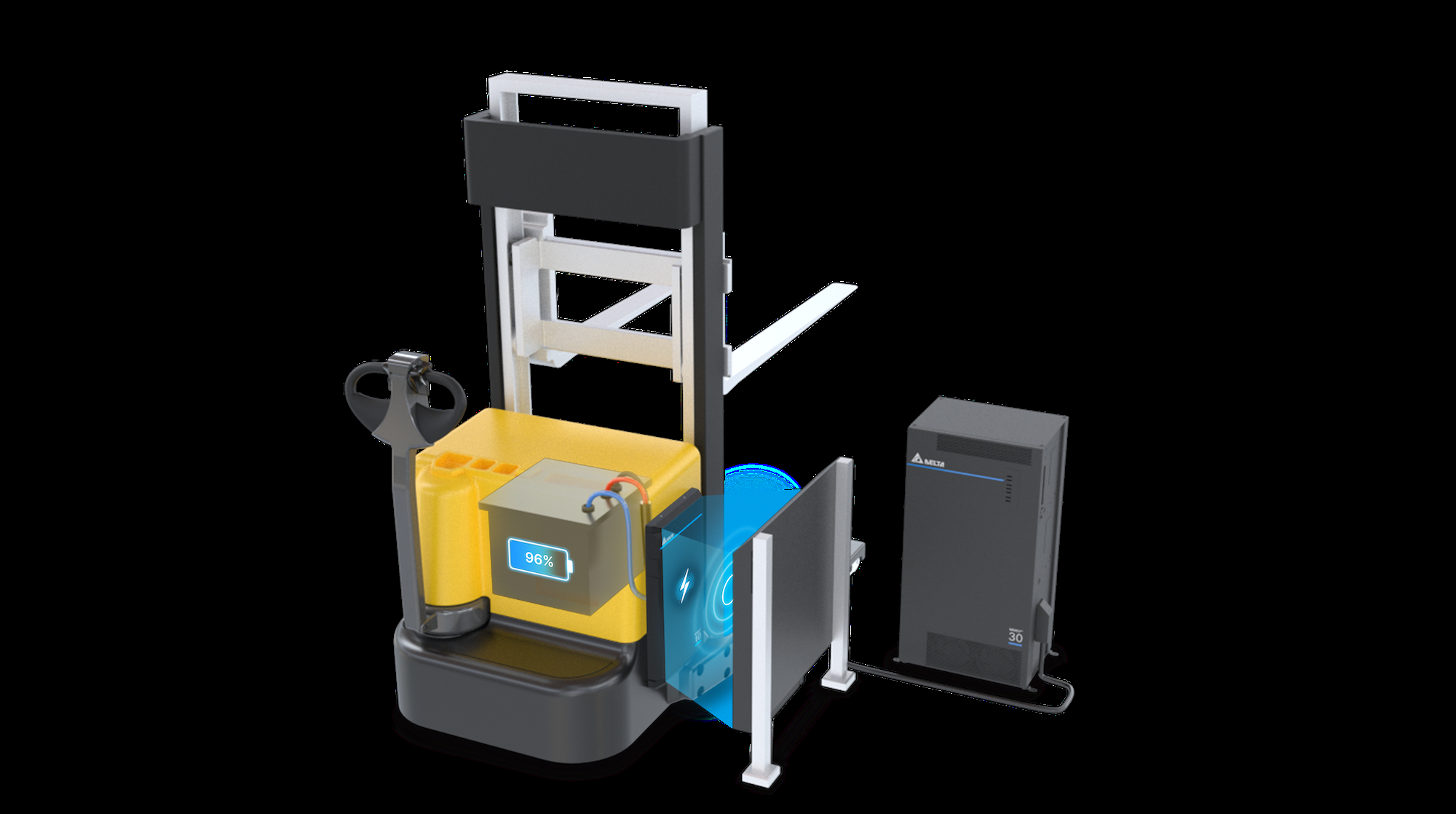
Bluetooth, while suitable for short-range communication, operates in the same 2.4 GHz spectrum as Wi-Fi, making it susceptible to interference. In settings with many connected devices, this can compromise reliability and consistency.
Infrared offers localized communication but requires a clear line of sight, making it vulnerable to the impacts of dust, dirt and direct sunlight commonly found in industrial environments.
How the Pad-Pad-Link (PPL) technology helps wireless charging
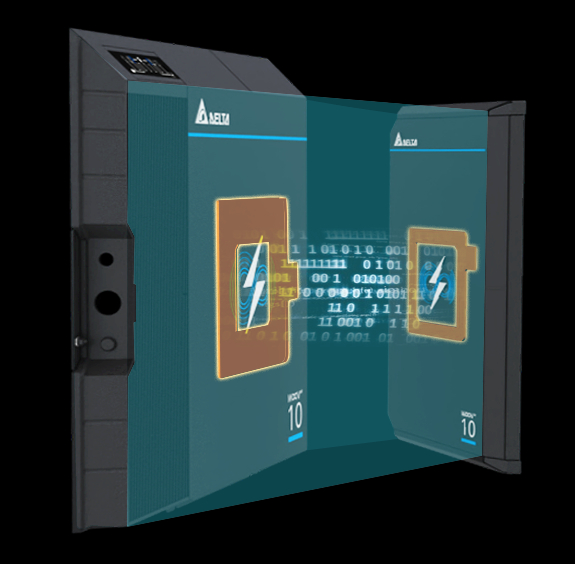
Delta Energy Systems in Germany has developed a patented solution, Pad-Pad-Link (PPL) specifically designed to address the challenges of closing control loops in inductive charging systems. Unlike Wi-Fi or Bluetooth, PPL operates outside the crowded 2.4 GHz spectrum, ensuring minimal interference in environments with high device density.
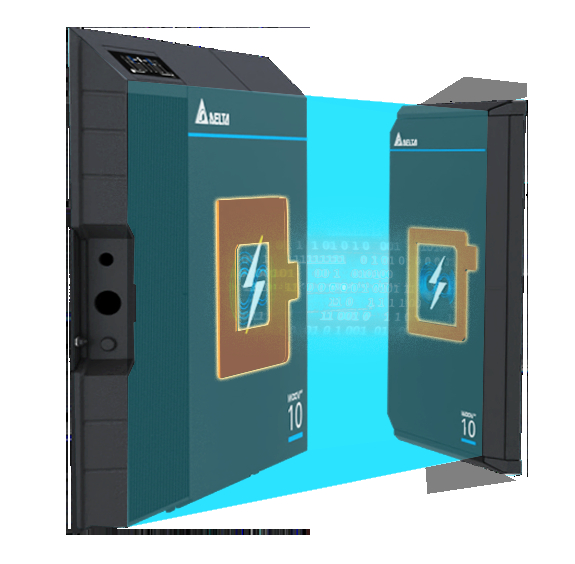
This allows power transfer and data transmission to occur seamlessly within the shared space between the pads, even in harsh industrial conditions. PPL’s limited spatial range provides superior interference immunity and precise counterpart identification, reducing downtime and ensuring continuous, efficient operation in demanding environments.
Being less vulnerable to unauthorized signal interception or hacking, PPL is an ideal choice for environments where secure data transmission is important.
The future of industrial automation
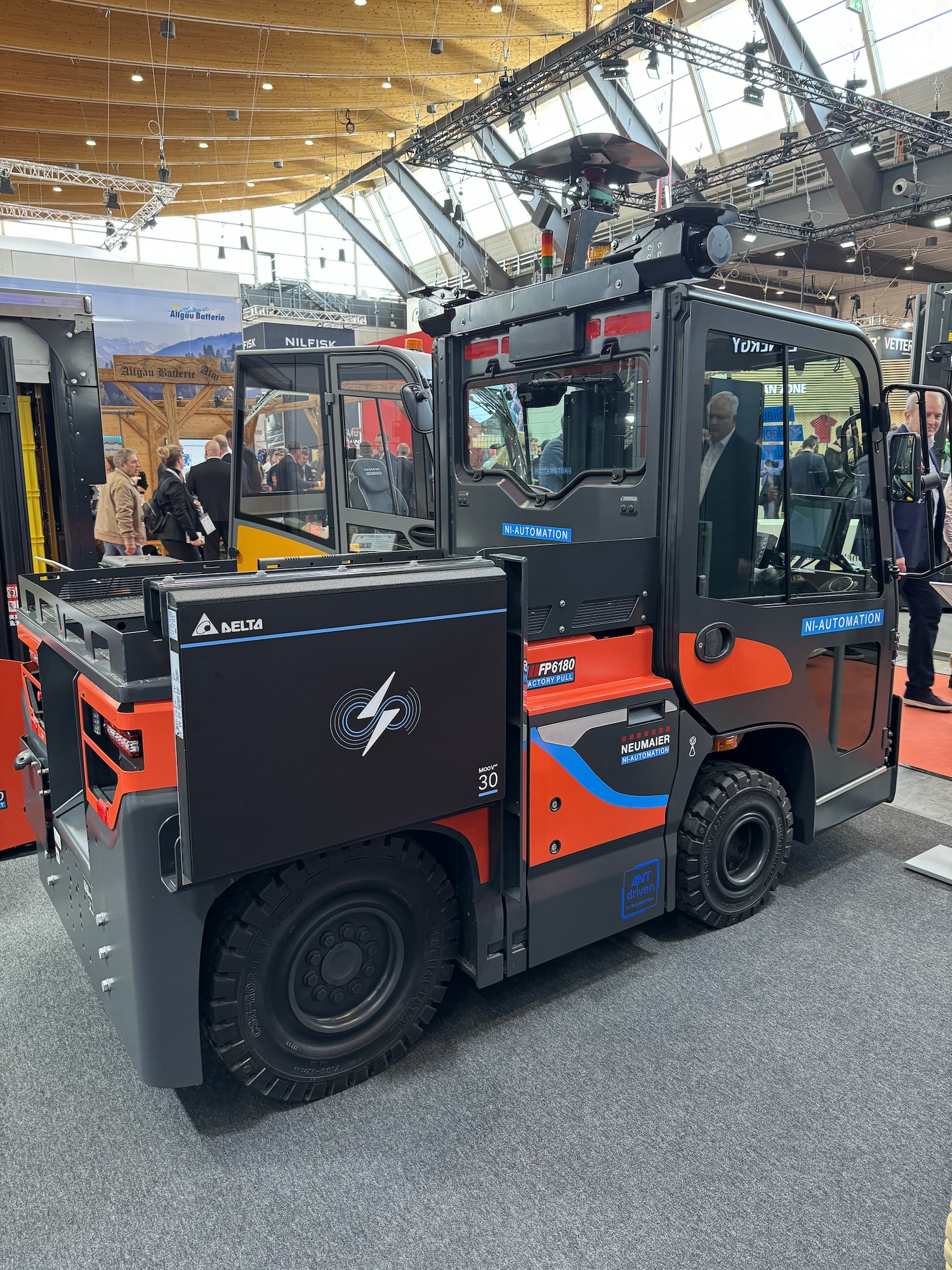
MOOVair with PPL marks a transformative step forward, redefining wireless power transfer as a smart, adaptive system tailored to meet the evolving demands of logistics, manufacturing and automation.
By optimizing operational efficiency across diverse industrial sectors, it addresses key challenges in modern automation. For organizations aiming to future-proof their technological infrastructure, PPL offers more than incremental improvements — it provides a strategic leap toward intelligent, resilient systems.
Autor Jonas Enderlin, R&D Manager IEV, IMBU – Delta Energy Systems (Germany) GmbH